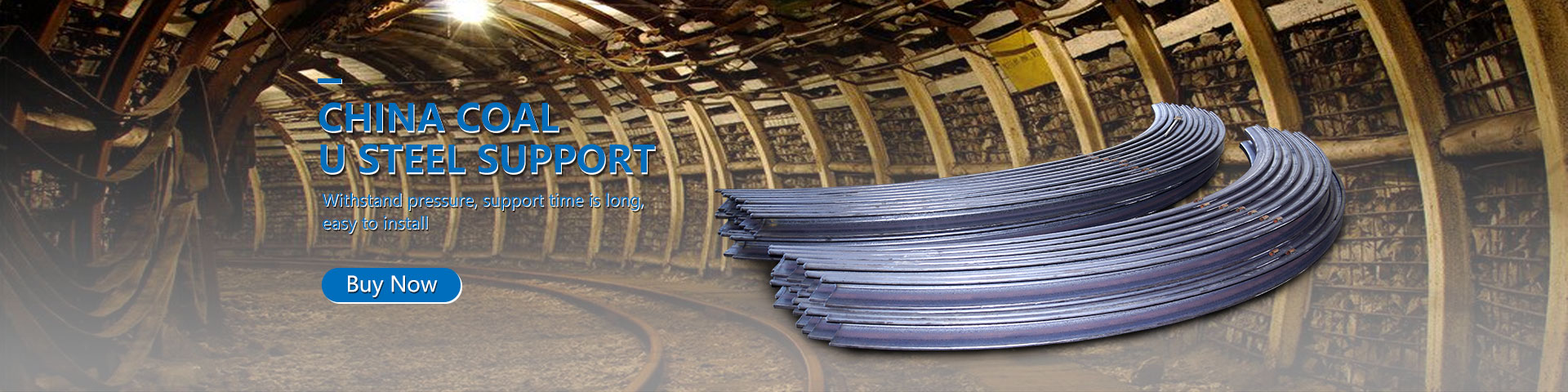
Mine Roof Support refers to the systems used to support the ceiling (roof) of underground mines. Mining operations often involve working in unstable, deep, and potentially dangerous conditions, where the weight of the earth above can pose significant risks. Mine Roof Support is designed to prevent roof collapses by distributing the weight of the ground and ensuring the stability of tunnels and chambers
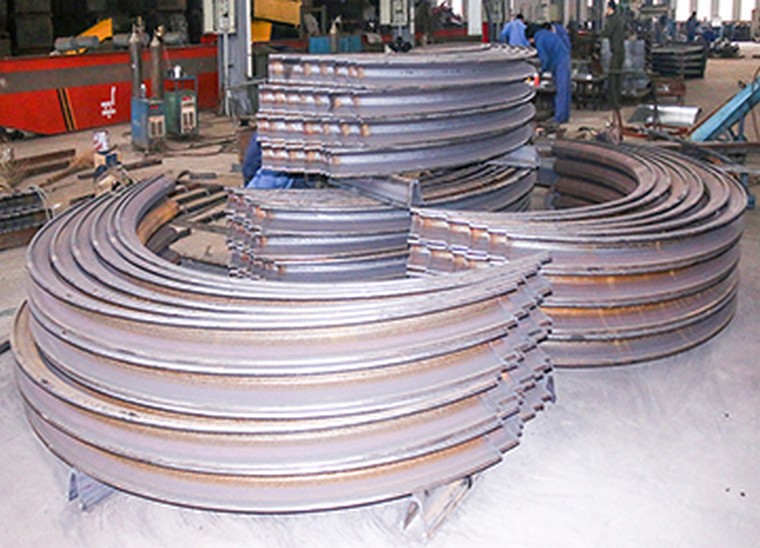
Key Features of Mine Roof Support Systems:
Types of Supports: The most common types of mine roof support include timber, steel arches, hydraulic props, and mesh systems.
Flexibility: Roof support systems are designed to adapt to varying geological conditions and mining activities.
Safety: Ensuring the protection of workers is the primary goal. The correct application of roof support systems minimizes the risk of injuries and fatalities.
Underground Roof Support refers to the broader range of roof support systems used in underground environments, which could include mines, tunnels, or other subterranean spaces. These systems are designed to prevent ceiling collapse and ensure the integrity of the underground structure.
Key Components of Underground Roof Support:
Hydraulic Props: These are commonly used in mines and tunnels to support the roof and prevent rock falls.
Bolting Systems: Roof bolts are used to anchor the roof to stable rock formations, providing additional support and reducing the risk of collapse.
Mesh Systems: Steel mesh is often installed to prevent loose rocks and debris from falling onto workers.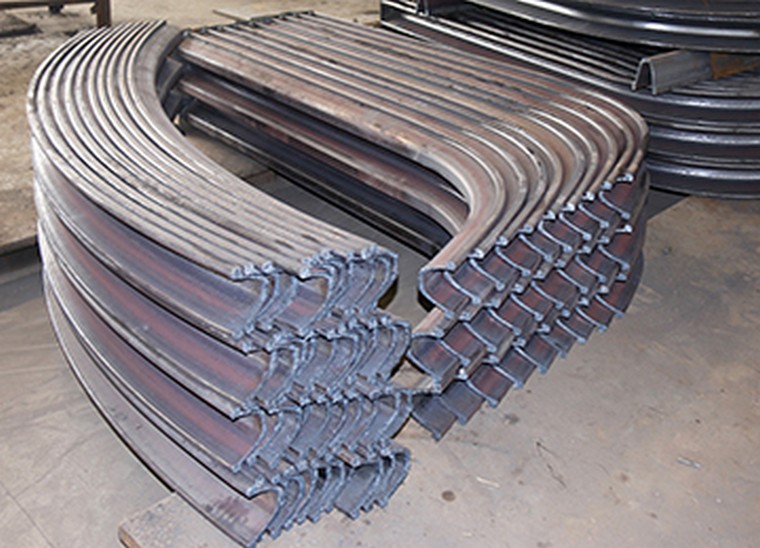
Advantages of Underground Roof Support:
Versatility: Can be used in a variety of underground construction settings, including tunnels, shafts, and chambers.
Durability: Roof supports are designed to withstand high levels of stress and remain effective for long periods of time.
In tunnel construction, particularly when working through soft or unstable rock, Tunnel Roof Support plays a critical role in ensuring safety and maintaining operational efficiency. The support systems used in tunnels are specialized to handle the unique pressures and conditions of underground tunnels, which may vary significantly from traditional mining operations.
Common Tunnel Roof Support Types:
Steel Arches: Used to provide immediate and long-term support for tunnel roofs.
Shotcrete: A sprayed concrete that adheres to the tunnel walls and roof to stabilize the structure.
Rock Bolts: Bolts are installed into the tunnel roof and walls to hold together fractured rock.
Pre-cast Concrete Segments: These segments are placed in tunnel construction projects to form a rigid roof support.
Key Considerations for Tunnel Roof Support:
Geological Conditions: The type of rock and soil surrounding the tunnel influences the choice of roof support system.
Safety Standards: Given the confined space of tunnels, support systems must meet strict safety standards to prevent collapses and protect workers.
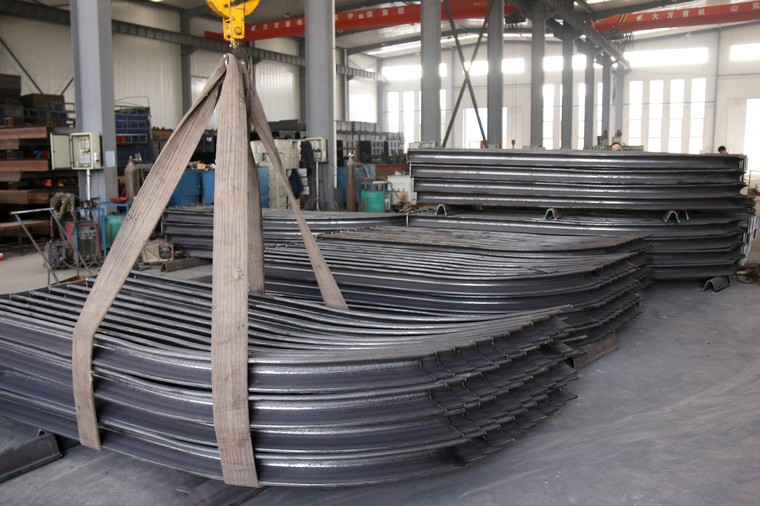
Effective Mine Roof Support, Underground Roof Support, and Tunnel Roof Support systems are essential for maintaining safety in any underground operation. By utilizing the appropriate roof support structures, mining, tunneling, and underground construction projects can minimize the risks of collapse, protect workers, and maintain the structural integrity of the tunnels and mines.
As technology advances, so do the materials and techniques used in roof support systems. Modern developments include smart monitoring systems that can detect early signs of instability, allowing for more proactive management of underground environments.
Incorporating high-quality roof support systems is not only a safety measure but also a vital component of successful and efficient underground operations. It’s crucial for companies to invest in the right materials and expertise to ensure the best outcomes for both their workers and their projects.